आराम से पढ़ें
10 Paintings Inspired by Night
Night has always captivated artists, particularly in urban environments where artificial lighting, movement, and human presence transform cities into dramatic visual spectacles. From glowing streetlamps to quiet cafés and bustling avenues, paintings of cities at night capture mood, isolation, energy, and modern life.
Lucien Ashford
रचनाकार
ओवन नोट
नीचे पूरी रचना पढ़ें।
संग्रह
बेकिंग पत्रिका
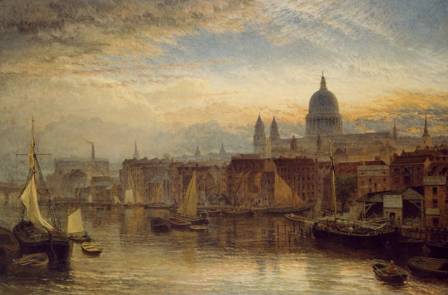
Night has always captivated artists, particularly in urban environments where artificial lighting, movement, and human presence transform cities into dramatic visual spectacles. From glowing streetlamps to quiet cafés and bustling avenues, paintings of cities at night capture mood, isolation, energy, and modern life.
Significance of Night in Art
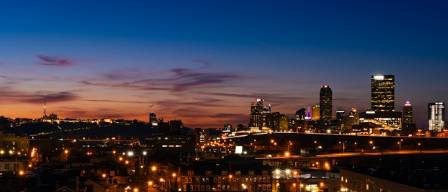
Night scenes amplify drama through chiaroscuro, where sharp contrasts between light and dark heighten emotional depth, spirituality, and psychological complexity. Artists such as Rembrandt and van Gogh used nocturnal settings to explore themes of eternity, inner turmoil, and modern life, turning darkness into a canvas for cosmic energy and emotional expression. This approach evolved from symbolic representation to abstract exploration, influencing movements such as Impressionism and Symbolism.
Early Depictions of Night in Art
Taddeo Gaddi’s 14th-century fresco The Angelic Announcement to the Shepherds pioneered the use of nocturnal lighting, showing an incandescent angel illuminating shepherds and blending pastoral calm with divine presence. Giotto’s Arena Chapel frescoes, including The Lamentation, employed deep blues, stars, and graduated shading to create depth, foreshadowing chiaroscuro in celestial night skies. Geertgen tot Sint Jans’ Nativity at Night (c. 1490) depicted a purely nocturnal Nativity, using radiant light against darkness to convey sacred significance. Adam Elsheimer’s early 17th-century Baroque night scenes innovated with multiple light sources, favoring subtle realism over Caravaggio’s dramatic intensity.
The following are ten renowned night paintings that beautifully portray urban life after dark.
1. The Starry Night by Vincent van Gogh (1889)
Location: Museum of Modern Art, New York
Medium: Oil on canvas
Created during Van Gogh’s stay at the Saint-Rémy-de-Provence asylum, The Starry Night depicts a small town under a swirling, expressive night sky. The cypress tree in the foreground links earth and cosmos. While not a modern city scene, the work reflects Van Gogh’s fascination with night, light, and emotion. Its bold brushwork and vivid colors evoke movement and energy.
Significance: The painting meditates on isolation, human presence, and the universe’s grandeur, remaining one of the most recognized and influential nocturnal artworks.
2. Nighthawks by Edward Hopper (1942)
Location: Art Institute of Chicago
Medium: Oil on canvas
This iconic scene depicts a brightly lit diner on an empty city street. Hopper used large glass windows to draw viewers into the interior, while the sparse figures convey urban solitude and contemplation.
Significance: Nighthawks exemplifies Hopper’s examination of modern American life, highlighting the tension between connection and loneliness in cities.
3. Café Terrace at Night by Vincent van Gogh (1888)
Location: Kröller-Müller Museum, Netherlands
Medium: Oil on canvas
Painted in Arles, this work shows a lively café under a starlit sky. Van Gogh contrasts warm yellows of the café with deep blues of the night, creating a glowing atmosphere. Cobblestone streets and perspective lines invite viewers into the scene.
Significance: The painting portrays urban social life while showcasing Van Gogh’s distinctive color sensibility and emotional intensity.
4. Nocturne in Black and Gold: The Falling Rocket by James McNeill Whistler (1875)
Location: Detroit Institute of Arts
Medium: Oil on panel
Whistler depicts fireworks over the Thames in London, emphasizing mood over literal representation. Loose brushstrokes and dark tones punctuated by shimmering points of light create a sense of fleeting spectacle.
Significance: Initially controversial, the work is now celebrated as a pioneering exploration of tonalism and impressionistic night scenes.
5. Boulevard Montmartre at Night by Camille Pissarro (1897)
Location: Private collection
Medium: Oil on canvas
Pissarro portrays Paris streets at night, illuminated by gaslights, with moving carriages and pedestrians. Impressionist techniques capture the glow of urban lights and city vibrancy.
Significance: The painting celebrates Paris’s modernization and demonstrates how impressionism conveys urban energy after dark.
6. Rainy Night, Tokyo by Leonard Foujita (1929)
Location: Private collection
Medium: Oil on canvas
Foujita depicts Tokyo streets glistening from rain. Neon reflections and slick pavements emphasize the urban atmosphere. His style blends European impressionism with Japanese aesthetics, highlighting reflection, detail, and mood.
Significance: The painting emphasizes the interaction between modernization, urbanization, and traditional artistic observation.
7. Paris Street, Rainy Day (Evening Studies) by Gustave Caillebotte
Location: Art Institute of Chicago
Medium: Oil on canvas
Caillebotte captures the perspective and geometry of Parisian streets at night or evening. Streetlights, reflections, and pedestrians create rhythm and order, with an emphasis on spatial composition and urban planning.
Significance: These studies reveal how lighting transforms familiar cityscapes and showcase Caillebotte’s mastery of perspective.
8. Automat by Edward Hopper (1927)
Location: Private collection
Medium: Oil on canvas
A solitary woman sits in a brightly lit self-service café. Dark windows and empty tables emphasize isolation. Hopper uses precise lines, muted colors, and strong contrasts to evoke contemplation.
Significance: The painting explores solitude, urban anonymity, and quiet moments in city life.
9. Broadway Boogie Woogie by Piet Mondrian (1942–1943)
Location: Museum of Modern Art, New York
Medium: Oil on canvas
Inspired by New York City, Mondrian uses abstract geometric shapes to represent streets, traffic, and lights. Bright yellow, red, and blue rectangles intersect rhythmically, reflecting the city’s energy and boogie-woogie jazz.
Significance: The work translates urban night dynamism into abstract form, celebrating modern city life as structured, vibrant, and musical.
10. Night Windows by Edward Hopper (1928)
Location: Private collection
Medium: Oil on canvas
This painting shows a view into a lit apartment from the street. Illuminated interiors contrast with dark exteriors, inviting curiosity about life inside. Hopper’s use of light, shadow, and framing creates quiet tension and voyeuristic perspective.
Significance: Night Windows reflects Hopper’s fascination with urban night life, privacy, and human isolation, emphasizing psychological depth over narrative.
Conclusion
Famous night paintings inspired by cities go beyond streets and buildings. They capture mood, emotion, and human experience in urban settings. Whether vibrant or lonely, realistic or abstract, these works show how night transforms cities into profound sources of artistic inspiration.
इसके बाद यह पढ़ें
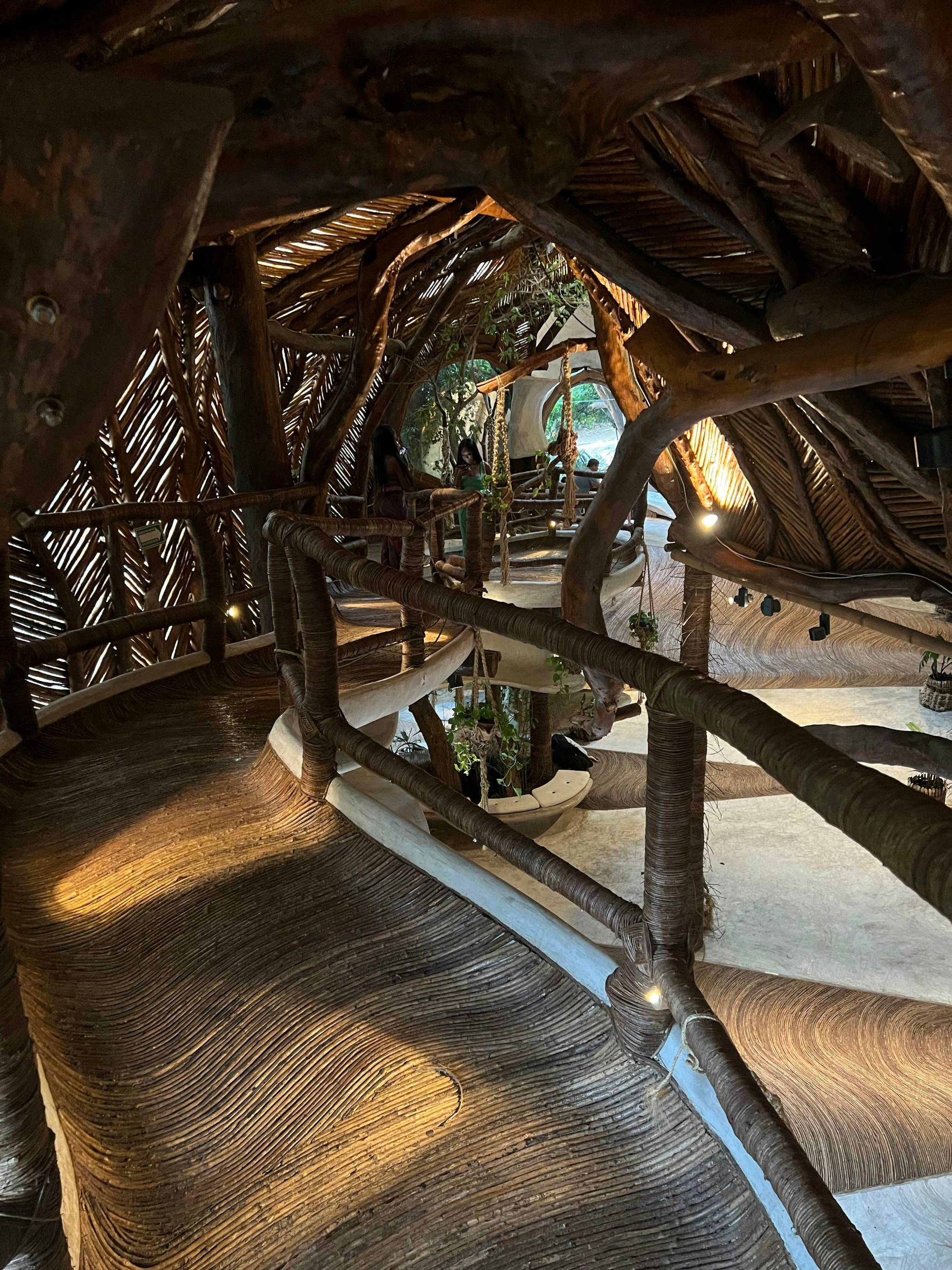
बाली में एक अनोखे ठहरने के लिए 5 अविश्वसनीय ट्री हाउस
पूजा
Mastering the Flow: A Guide to Painting Rivers in Oils
Kevin Alexander Foster
Mastering Your Running Rhythm: A Key to Better Performance
Noah Easton

गोल्फ़ - स्वास्थ्य लाभ
कल्याण

एक अफ्रीकी सफारी पर देखने के लिए 15 जानवर
जेसिका मैकडोनाल्ड

डिजिटल प्रौद्योगिकी के विकास का मार्ग प्रशस्त करना: उत्पत्ति से भविष्य तक
चंचल मलिक