← मुख्य पन्ना2 मिनट का पाठ
आराम से पढ़ें
Air-Purifying Plants for Your Home
As many people transition to working from home during the COVID-19 pandemic, indoor plants have become an essential part of creating a healthier, more pleasant environment.
C
Craig
रचनाकार
ओवन नोट
नीचे पूरी रचना पढ़ें।
संग्रह
बेकिंग पत्रिका
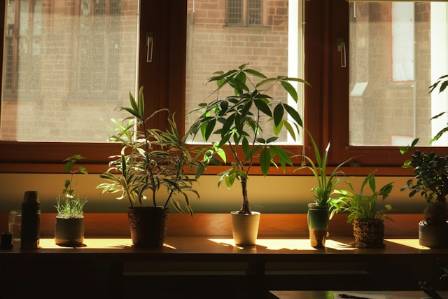
As many people transition to working from home during the COVID-19 pandemic, indoor plants have become an essential part of creating a healthier, more pleasant environment. Research shows that incorporating plants into your indoor space offers various health benefits, contributing to improved well-being.
While we often think of outdoor air pollution as a major threat to health, the air inside our homes can be just as harmful. According to the US Environmental Protection Agency (EPA), indoor air pollution can be up to five times higher than outdoor pollution. This is largely due to poor ventilation, closed windows, and the buildup of carbon dioxide, which can lead to headaches and fatigue. In addition, household items like paints, furniture, and carpets release volatile organic compounds (VOCs) into the air, further degrading air quality.
The good news is that certain plants can help combat these issues. NASA’s groundbreaking research in the 1980s revealed that plants can purify indoor air by removing harmful chemicals like benzene, formaldehyde, and trichloroethylene. In fact, just one medium-sized plant (around 20cm or more in height) can significantly improve the air quality in a room.
Here are three fantastic indoor plants that will help keep your home free from toxins:
1. Areca Palm (Chrysalidocarpus lutescens)
Once endangered, the Areca palm is a hardy, sun-loving plant that thrives in larger spaces. It’s particularly effective at removing toxins, such as benzene, carbon monoxide, formaldehyde, trichloroethylene, and xylene. Additionally, the Areca palm is pet-friendly, making it a great choice for homes with cats or dogs. While it requires a bit of care—like bright but indirect light and regular watering without overwatering—it’s a great air purifier.
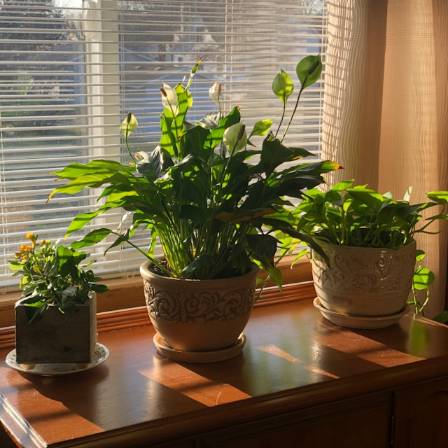
2. Peace Lily (Spathiphyllum)
Known for its elegant white blooms and glossy green leaves, the Peace Lily is a low-maintenance plant that’s perfect for rooms with little to no natural light. It thrives on minimal care: a weekly watering and some slow-release fertilizer in spring. Peace lilies are excellent at filtering out harmful substances like benzene, carbon monoxide, formaldehyde, trichloroethylene, and xylene. However, if you have pets, be cautious, as Peace Lilies are mildly toxic to them and should be placed out of reach.
3. Chrysanthemums (Chrysanthemum morifolium)
Famous for their vibrant flowers, chrysanthemums are not only a colorful addition to your home but also fantastic air purifiers. These plants require proper care to thrive, such as bright, indirect sunlight, good airflow, and regular watering with warm water. Just like Peace Lilies, chrysanthemums are mildly toxic to pets, so keep them out of reach. Despite the extra care they require, chrysanthemums effectively remove ammonia, benzene, formaldehyde, and xylene from the air, making them a valuable addition to any space.
Whether you choose one of these plants or another air-purifying variety, incorporating them into your home will enhance the air quality, promote a healthier environment, and add a touch of nature to your living space. Enjoy creating a toxin-free sanctuary for you and your loved ones!

इसके बाद यह पढ़ें

· hi
महिलाओं का सूट: एक परफेक्ट लुक पाने के लिए गाइड
गोपाल मालवीय

· en
Original Snow Leopard Oil Painting
Avery Sinclair

· hi
मुख्य आँकड़े
प्रणव

· hi
7 सबसे महंगे कपड़ों के ब्रांड
सोनिया

· en
The Most Daring Motorcycle Races Around the Globe
Noah Alexander

· hi
प्राचीन रेत की फुसफुसाहट: मिस्र के कालातीत पिरामिडों की यात्रा
विवेक