आराम से पढ़ें
Japanese Daifuku: Taste and Tips
Daifuku is one of Japan’s most beloved traditional sweets, treasured for its soft, chewy mochi (glutinous rice cake) exterior and subtly sweet anko (red bean paste) filling. But did you know that daifuku comes in many variations? This dessert has evolved into a treat with countless flavors and textures.
Zoey Lane
रचनाकार
ओवन नोट
नीचे पूरी रचना पढ़ें।
संग्रह
बेकिंग पत्रिका
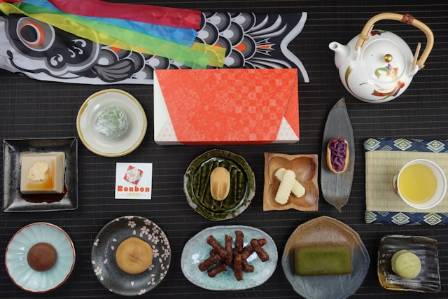
Daifuku is one of Japan’s most beloved traditional sweets, treasured for its soft, chewy mochi (glutinous rice cake) exterior and subtly sweet anko (red bean paste) filling. But did you know that daifuku comes in many variations? This dessert has evolved into a treat with countless flavors and textures.
In this article, we explore the history of Japanese daifuku, reveal what makes it so delicious, and highlight some popular varieties you should try when visiting Japan. Consider this your ultimate daifuku guide!
The History of Daifuku
Daifuku dates back to the late Muromachi period (1336–1573), when it was originally called “Uzura-mochi”, named for its round shape resembling a quail (uzura in Japanese). At that time, the filling was savory and seasoned with salt rather than sweet.
It wasn’t until the Edo period (1603–1868) that sweet daifuku became popular. A widow named Otayo in Edo (now Tokyo) is credited with adding sugar to the anko filling, creating the sweet version we enjoy today.
Early versions were larger than modern daifuku and were called “Harabuto-mochi” (stomach-filling mochi) or “Daifuku-mochi” (large belly mochi). Over time, the kanji “腹” (belly) was replaced with “福” (fortune) because of the similar pronunciation, giving us the name 大福 (daifuku), meaning “great fortune.”
Hokkaido Cream Cheese Daifuku
While daifuku has ancient roots, modern twists like Cream Cheese Daifuku offer a fresh experience. Made with rich Hokkaido milk and a soft cheese cream filling, this treat combines the chewy mochi with smooth, lightly sweet cream—perfect for both kids and adults.
Fruit-Filled Daifuku: A Modern Twist
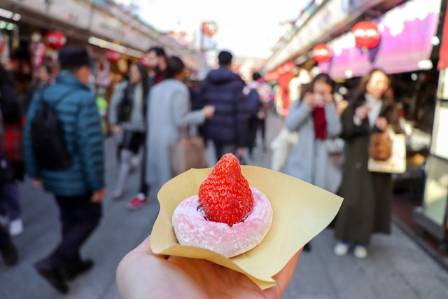
Traditional daifuku comes in classic varieties like Matcha Daifuku, Kusa Daifuku (made with mugwort), and Ichigo Daifuku (strawberry-filled). Recently, fruit and chocolate fillings have become trendy, offering new tastes and textures. This variety allows daifuku lovers to enjoy unique flavor combinations while keeping the classic mochi texture.
Famous Daifuku in Kyoto
Kyoto, famous for its temples and historic streets, is home to traditional daifuku shops.
Mame Daifuku is a Kyoto specialty where beans are kneaded into the mochi. Unlike regular smooth-surfaced daifuku, mame daifuku is bumpy, with beans visible on the outside. Red azuki beans add a hint of saltiness, perfectly balancing the sweet anko filling.
Kyoto Matcha Chocolate Daifuku combines matcha-flavored mochi with white chocolate inside. The slightly bitter matcha complements the sweetness of the chocolate, creating a sophisticated flavor balance suitable even for those who don’t prefer overly sweet desserts.
Famous Daifuku in Miyazaki
Miyazaki Prefecture is known for Nanja-kora Daifuku, a giant daifuku whose name means “What is this?!” in the local dialect. Filled with anko, strawberries, chestnut, and cream cheese, this dessert delivers a combination of flavors and textures in every bite.
Okayama White Peach Chocolate Daifuku features pink peach-flavored mochi wrapped around white chocolate. Bite-sized and fragrant, it’s perfect as a snack or a small indulgence during a break.
Summary
Daifuku is a classic Japanese sweet that has been cherished for generations. From the traditional anko-filled mochi to modern twists like cream cheese, chocolate, and fruit fillings, there’s a daifuku flavor for everyone.
Zelico offers a wide selection of delicious daifuku treats, perfect for enjoying the chewy, sweet delight of this Japanese confection.
इसके बाद यह पढ़ें
बोनसाई ट्री होम डेकोर आइडिया
पवन

Nature-Inspired Fashion: Effortless Elegance for the Modern Woman
Sebastian Moorland

दुनिया के टॉप 10 सबसे ऊंचे पहाड़
किरण

10 Iconic Floral Still Lifes You Ought to Know
Cindy

5 Essential Bags Every Stylish Man Should Own
Ella

Mastering the Flow: A Guide to Painting Rivers in Oils
Kevin Alexander Foster