आराम से पढ़ें
Things you may not know about cocoa
Chocolate is more than just a sweet treat—it almost feels like its own category of food. Whether you are a devoted chocolate lover or someone who rarely eats it, chances are you know someone who can never resist a delicious piece of chocolate.
Brooklyn Parker
रचनाकार
ओवन नोट
नीचे पूरी रचना पढ़ें।
संग्रह
बेकिंग पत्रिका
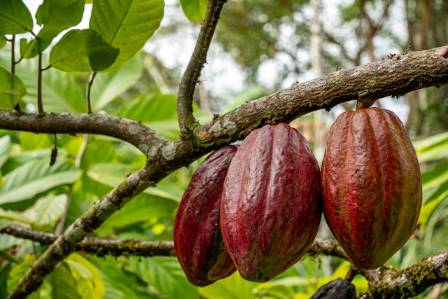
Chocolate is more than just a sweet treat—it almost feels like its own category of food. Whether you are a devoted chocolate lover or someone who rarely eats it, chances are you know someone who can never resist a delicious piece of chocolate.
This worldwide passion for chocolate continues to drive the huge demand for cocoa, creating a global industry worth around $110 billion each year.
Think you already know everything about this valuable crop? These facts may surprise you. Keep reading to discover more about where cocoa comes from, how it becomes chocolate, and the challenges faced by cocoa farmers around the world.
1. Cocoa and Chocolate Are Not the Same Thing
Many people use the words cocoa and chocolate interchangeably, but they actually refer to different things.
Cocoa begins as a fruit that grows on the cocoa tree. What we call a cocoa bean is actually found inside a cocoa pod. Each pod usually contains around 20 to 50 almond-sized cocoa beans surrounded by a white, soft pulp.
After harvesting, cocoa beans must go through several stages before they become the chocolate products we know. Farmers first ferment and dry the beans, then they are carefully checked for quality before being processed into chocolate.
The journey from cocoa tree to chocolate bar involves many detailed steps, including harvesting, fermentation, transportation, processing, and manufacturing. Organizations around the world work with small-scale cocoa farmers to help them produce better-quality cocoa and improve their livelihoods.
2. Africa Produces Most of the World’s Cocoa
Although Europe and the United States are among the biggest chocolate-producing regions, the majority of the world’s cocoa actually comes from Africa.
Within Africa, West African countries dominate cocoa production, supplying more than half of the global cocoa supply. Côte d’Ivoire and Ghana are especially important producers and play a major role in the international chocolate industry.
The cocoa grown in these regions provides the essential ingredient used to create countless chocolate products enjoyed around the world.
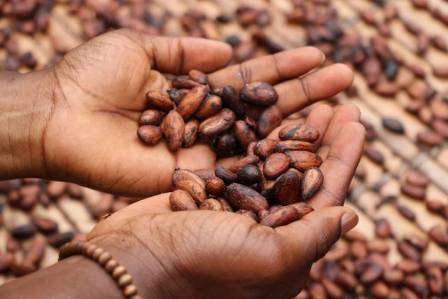
3. Cocoa Trees Need Years Before They Produce Beans
Growing cocoa is a long-term investment. After cocoa seedlings are planted, it can take about five years before the trees begin producing cocoa pods.
Producing cocoa is not always easy. Successful growth requires the right climate, suitable soil conditions, proper spacing, enough shade, and careful farming techniques.
For many farmers, deciding to grow cocoa involves patience and planning. In Nicaragua, cocoa farmer Mario Isabel Taicigue was uncertain about adding cocoa to his farm because of the long waiting period. However, through a local cocoa support project, he decided to try.
Today, cocoa has become an important source of income for his family. He has also learned to grow other crops while waiting for cocoa harvests, making farming more stable and sustainable.
Through his efforts, Mario is building more than just a cocoa farm—he is creating something that can benefit future generations of his family.
4. Many Cocoa Farmers Have Never Tasted Chocolate
One surprising fact about chocolate is that many cocoa farmers around the world have never actually tried chocolate made from the beans they grow.
When cocoa leaves the farm, it usually does so as raw cocoa beans. These beans must travel through a long supply chain before eventually becoming chocolate bars and other sweet products.
This process, known as the cocoa value chain, includes many stages such as fermentation, drying, grinding, manufacturing, and distribution.
Some organizations help cocoa farmers become more involved in additional parts of this process. By learning skills such as processing and producing chocolate themselves, farmers and cooperatives can increase the value of their cocoa and earn better incomes.
The more steps farmers can participate in, the greater the benefits they can receive from their own crops.
5. Cocoa Is a Profitable Industry, but Many Farmers Still Struggle Financially
Although cocoa is a valuable and growing global industry, many cocoa farmers continue to live in poverty.
Traditionally, cocoa is grown by small family farms and then sold through intermediaries before reaching large companies. Because of this system, farmers often receive only a small portion of the money generated by cocoa and chocolate products.
Supporting smallholder cocoa farmers is one way to create a fairer industry. Through cooperatives and more balanced trading systems, farmers can receive better prices for their cocoa.
In addition, some programs provide extra funding known as “social premiums.” These additional funds are used by farming communities to improve local living conditions, including maintaining schools, expanding healthcare services, and building essential facilities such as wells.
By creating fairer opportunities for cocoa producers, the people who grow the world’s chocolate can gain a more sustainable future.
इसके बाद यह पढ़ें

Minivans Are Flying Off The Lots For A Few Practical Reasons And One Rather Somber Reality
Aaron Whitmore

5 Fashion Trends Expected to Dominate in 2024, According to Fashion Experts
Phoebe

3 Most Beautiful Cars Ever Designed That Showcase Art, Luxury, and Performance 的印地语翻译是: 14 सबसे सुंदर कारें जो कभी डिज़ाइन की गईं, जो कला, लग्जरी और प्रदर्शन को प्रदर्शित करती हैं।
रणवीर

उच्च स्तरीय प्रकाश व्यवस्था डिजाइन: पुरानी लैंपों को नया रूप देने के लिए छह चरणों वाली मार्गदर्शिका
निशा गहलोत

लंदन
गीता

सर्वश्रेष्ठ समुद्र तटों का सर्वोत्तम
विक्रांत