आराम से पढ़ें
Ten Remarkable Insights Into the World of Whales
Whales are some of the most captivating residents of our oceans, encompassing a vast array of species with unique biological and behavioral traits. From the haunting melodies of the humpback to the record-breaking depths reached by beaked whales, these marine mammals continue to surprise researchers with their complexity and resilience.
Tyson Caldwell
रचनाकार
ओवन नोट
नीचे पूरी रचना पढ़ें।
संग्रह
बेकिंग पत्रिका
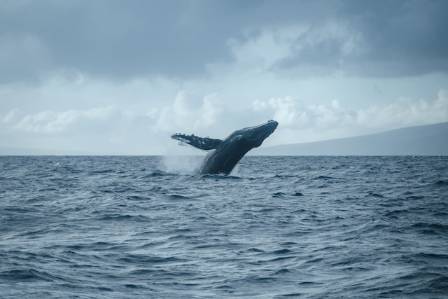
Whales are some of the most captivating residents of our oceans, encompassing a vast array of species with unique biological and behavioral traits. From the haunting melodies of the humpback to the record-breaking depths reached by beaked whales, these marine mammals continue to surprise researchers with their complexity and resilience.
Giants of the Deep and Their Lifespans
The blue whale holds the title of the largest creature to ever inhabit the Earth. These titans can reach lengths exceeding 90 feet and weigh as much as 330,000 pounds, a mass equivalent to approximately 24 elephants combined. Beyond their physical scale, many whale species are notable for their extreme longevity. Arctic-dwelling bowhead whales are estimated to live for over two centuries, while killer whales can surpass 100 years of age.
Vocalizations and Social Structures
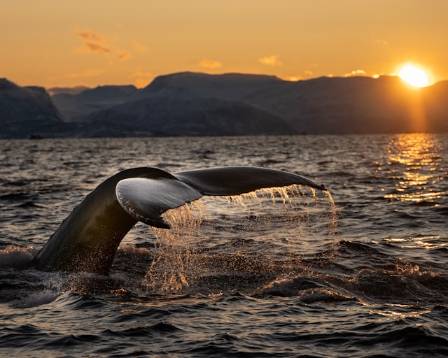
Whales are highly communicative and social animals. Male humpback whales are famous for their intricate vocal performances during the winter breeding season. These songs can last up to 20 minutes and carry for miles underwater. Similarly, beluga whales are so vocal that they have been dubbed the "canaries of the sea" due to their wide range of clicks, chirps, and whistles.
In terms of social organization, killer whales stand out for their tight-knit family units. They typically travel in matrifocal groups, which are social structures centered entirely around the mother. This high level of social bonding is a hallmark of their intelligence and survival strategy.
Specialized Feeding and Physical Adaptations
Different species have evolved distinct methods for navigating and feeding in the marine environment. The North Atlantic right whale is a surface feeder, using its long baleen plates to filter tiny organisms from the seawater. This behavior, combined with their natural buoyancy, unfortunately increases their risk of ship strikes.
The sperm whale possesses a massive head containing the "spermaceti organ." While this organ was once a primary target for commercial whalers seeking its unique oil, it serves as a critical component of the whale’s sophisticated echolocation system. Meanwhile, the minke whale remains the smallest representative of the baleen family found in North American waters.
Record-Breaking Travelers and Divers
Whales are the undisputed champions of migration and diving. Gray whales undertake one of the most grueling annual journeys of any mammal, traveling roughly 10,000 miles in a single round trip. When it comes to vertical movement, the Cuvier’s beaked whale holds the record for the deepest descent. In 2014, one individual was documented reaching a depth of 1.9 miles and remaining underwater for over two hours on a single breath.