आराम से पढ़ें
10 Captivating Insights Into the World of Koi Fish
Koi fish are far more than just the colorful residents of backyard ponds and tranquil garden retreats. These elegant swimmers, often seen gliding through temple waters or across social media feeds, possess a rich history and a surprisingly complex nature. Beyond their shimmering scales lies a collection of remarkable traits and behaviors that define them as one of the most beloved aquatic species in the world.
Arthur Wesley Pembroke
रचनाकार
ओवन नोट
नीचे पूरी रचना पढ़ें।
संग्रह
बेकिंग पत्रिका
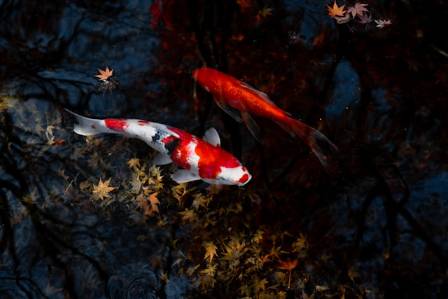
Koi fish are far more than just the colorful residents of backyard ponds and tranquil garden retreats. These elegant swimmers, often seen gliding through temple waters or across social media feeds, possess a rich history and a surprisingly complex nature. Beyond their shimmering scales lies a collection of remarkable traits and behaviors that define them as one of the most beloved aquatic species in the world.
Distinctive Identity and Heritage
It is a common misconception that koi are simply oversized goldfish. While both belong to the broader carp family, they have distinct lineages. Koi (Cyprinus rubrofuscus) were meticulously developed through selective breeding in Japan to emphasize specific aesthetic patterns and vibrant hues. In contrast, goldfish were originally bred in China. Essentially, koi represent a highly refined and "elevated" version of the common carp, celebrated for their artistic appearance.
Extraordinary Longevity
One of the most astounding aspects of koi biology is their potential lifespan. These fish can thrive for several decades, with many reaching 50 years of age. History even records a legendary koi named Hanako who lived to be 226 years old. Adopting a koi is not merely acquiring a pet; it is starting a lifelong commitment that can span generations.
Cultural Significance and Symbolism
In Japanese tradition, koi are powerful symbols of good fortune. They represent perseverance, success, strength, and longevity. Ancient myths even tell of koi swimming upstream against powerful currents to eventually transform into dragons, reinforcing their image as icons of endurance and personal triumph.
Diversity of Patterns and Competitive Standards
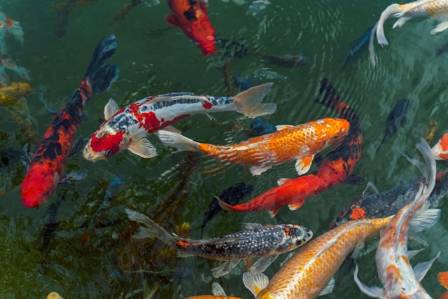
The world of koi is incredibly diverse, featuring more than 100 recognized varieties. These include types such as the platinum, butterfly, sanke, showa, and utsuri. Enthusiasts judge these fish based on their color saturation, pattern symmetry, and body shape. The hobby is so serious that koi pageants and international competitions are held regularly to crown the most "perfect" specimens.
Intelligence and Human Recognition
Koi are surprisingly bright and capable of recognizing their human caregivers. Over time, they learn to identify the person who feeds them, often swimming to the surface in greeting when that individual approaches. Many can even be trained to eat directly from a person’s hand, demonstrating a level of social interaction rarely seen in other fish species.
Seasonal Adaptation and Winter Behavior
While koi do not undergo a true biological hibernation, they enter a state of dormancy during cold winter months. As temperatures drop, their metabolism slows significantly, and they settle at the bottom of the pond to conserve energy. They remain in this quiet state until the water warms again in the spring, allowing them to resume their active lifestyle.
Non-Verbal Communication
Though they do not produce vocalizations, koi communicate extensively through body language. They use their fins and tails to signal intent, flash their sides, or nudge one another to establish boundaries and personal space. The social dynamics under the surface are constant and driven by these physical cues.
Precise Environmental Needs
Koi are known for being somewhat high-maintenance regarding their habitat. They require exceptionally clean, well-balanced water with specific pH levels and an absence of ammonia. Maintaining a healthy koi pond is a dedicated task that requires consistent monitoring of filtration and water chemistry to ensure the inhabitants remain in peak health.
Spawning and Reproduction
During the spring spawning season, koi behavior becomes quite energetic. A single female can produce as many as 100,000 eggs. However, nature can be harsh; adult koi do not display parental instincts and will often consume their own eggs if they are not moved to a separate environment. This necessitates careful management for those looking to raise young koi.
The High Value of Elite Specimens
The market for high-quality koi can be staggering. While common varieties are affordable, champion-grade koi with elite bloodlines and flawless patterns are considered luxury assets. In rare instances, these top-tier fish have been sold for over $1 million, making them the aquatic equivalent of a high-end yacht or a piece of fine art.
The Enduring Appeal of the Koi
The widespread fascination with koi stems from their ability to provide a sense of calm and outdoor therapy. Watching them move is a reminder to slow down and appreciate the scenery. In a fast-paced world, these graceful, snack-loving creatures offer a unique form of inspiration and a living connection to history and art.
इसके बाद यह पढ़ें

सर्वश्रेष्ठ समुद्र तटों का सर्वोत्तम
विक्रांत
सेब के 10 प्रभावशाली स्वास्थ्य लाभ
मनोज

5 Fashion Trends Expected to Dominate in 2024, According to Fashion Experts
Phoebe

These Are the 8 Most Stunning Beaches in the World
Ryder

अपने सपनों को डिकोड करना: THCP और Delta-9 से प्रेरित जंगियन ड्रीम एनालिसिस
ज्योति

अब तक के 10 सबसे महान बास्केटबॉल खिलाड़ी
लवण्या