आराम से पढ़ें
Arctic Wolves: Survivors of the Frozen North
Also called white wolves or polar wolves, Arctic wolves are a unique subspecies of gray wolves that inhabit the remote and icy regions of the Arctic. Like other members of the gray wolf family, they are social animals that live and hunt in packs. They usually travel together, cooperate during hunts, follow the leadership of an alpha pair, and use howling as a way to communicate.
Julian Marlowe
रचनाकार
ओवन नोट
नीचे पूरी रचना पढ़ें।
संग्रह
बेकिंग पत्रिका
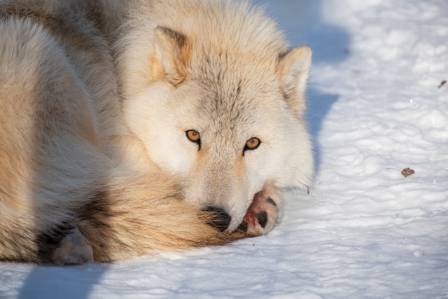
Also called white wolves or polar wolves, Arctic wolves are a unique subspecies of gray wolves that inhabit the remote and icy regions of the Arctic. Like other members of the gray wolf family, they are social animals that live and hunt in packs. They usually travel together, cooperate during hunts, follow the leadership of an alpha pair, and use howling as a way to communicate.
Within the pack, raising young is a shared responsibility. Adult wolves work together to protect, feed, and care for the pups, ensuring the survival of the next generation. However, the extreme conditions of their environment have shaped Arctic wolves in special ways, giving them physical traits and behaviors that separate them from other gray wolves.
Physical Adaptations for Life in the Arctic
Arctic wolves live in some of the most isolated parts of the planet, including the Canadian Arctic, northern Alaska, and the northern regions of Greenland. Their environment exposes them to incredibly harsh conditions, with average winter temperatures reaching around -30°C (-22°F) and long periods without sunlight.
Their thick white fur provides essential protection against freezing temperatures while also helping them blend into the snowy landscape. Their furry paws act like natural insulation, allowing them to travel across ice and snow more easily.
Compared with other gray wolves, Arctic wolves are generally smaller and have shorter noses and smaller ears. These features reduce heat loss from their bodies. They also carry an extra layer of body fat that serves two purposes: keeping them warm and providing an energy reserve during the long winter months when food sources may become limited.
Their Importance in the Arctic Ecosystem
Arctic wolves are among the few animals capable of surviving in one of Earth’s most extreme environments. As skilled carnivores, they play an important role in maintaining balance within the Arctic ecosystem.
By hunting animals such as caribou, musk oxen, and Arctic hares, they help regulate populations of other species. Their presence contributes to the overall health and stability of the fragile Arctic food chain.
Behavior and Relationship with Humans
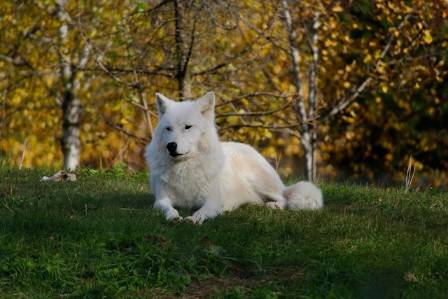
People who have had the rare opportunity to observe Arctic wolves in the wild often describe them as curious, playful, and surprisingly comfortable around humans.
Unlike many other wolf populations that have experienced conflicts with people, Arctic wolves have historically had very little contact with humans. Their isolated habitat has protected them from many of the pressures faced by other wolves, including hunting and habitat loss caused by farming and development.
However, this does not mean they are completely safe. Climate change and increasing human activity in the Arctic are creating new challenges that could significantly impact their habitat and future survival.
Scientific Name of the Arctic Wolf
The scientific name of the Arctic wolf is Canis lupus arctos.
The genus name Canis comes from the Latin word meaning “dog,” while lupus arctos translates roughly to “wolf of the Arctic.” This name reflects the animal’s classification as an Arctic-dwelling subspecies of gray wolf.
Conservation Status of Arctic Wolves
Arctic wolves are currently classified as Least Concern on the IUCN Red List as a subspecies of gray wolves.
Their conservation status was previously considered vulnerable between 1982 and 1995, but it was changed to Least Concern in 1996 and has remained at that level.
Their remote environment has helped protect them from many human-related threats that affect other wolf populations. However, climate change remains a major concern. Rising temperatures and changes to Arctic ecosystems could alter their habitat and potentially affect their population in the future.
Where Arctic Wolves Live
The Arctic wolf’s home range is one of the most isolated wilderness areas on Earth. Their habitat extends across the Canadian Arctic, including areas such as Ellesmere Island and Devon Island, as well as parts of Alaska and the northern and western coasts of Greenland.
Because they live so far away from human settlements, Arctic wolves rarely encounter people. Unlike many other gray wolf subspecies, they are still able to move freely throughout nearly all of their original range.
Life in an Extreme Arctic Environment
The Arctic climate is among the harshest on the planet. During winter, temperatures average around -30°C (-22°F), and strong winds can make conditions feel even colder. Summers are brief, with temperatures usually reaching only around 2°C (35.6°F).
For much of the year, the region remains covered in snow and ice, while winter brings months of darkness. However, from around mid-June to mid-August, the Arctic experiences a short summer season with extended daylight hours.
During this period, snow and ice begin to melt, revealing low-growing vegetation. This provides more food for animals that Arctic wolves hunt, making prey easier to find.
Remarkable Survival Skills
Arctic wolves are among the most highly adapted predators in the world. Their insulated bodies, specialized features, and cooperative pack behavior allow them to survive in a landscape where few animals can thrive.
Even when conditions become extremely difficult, they can endure weeks without food and withstand months of freezing temperatures and darkness. Their ability to survive in such an unforgiving environment makes the Arctic wolf one of nature’s most impressive examples of adaptation.
इसके बाद यह पढ़ें

Willow Tree Identification: 6 Species
Ren Ashford
लोमड़ियों के बारे में 10 तथ्य जो आपको चौंका सकते हैं
आशा
घोड़े की देखभाल
मनन

Most Beautiful Depictions of Harvest in Art
Avery Blake

सर्फिंग के लिए यात्रा की सुंदरता: सिर्फ लहरों से अधिक
जेब ब्रिंकले

सुंदर परिदृश्य और रहस्यमय वाइब्स के लिए अमेरिका में 5 सर्वश्रेष्ठ रेगिस्तान शहर
स्टेसी लीसा