आराम से पढ़ें
Hydrangea Growing Guide
Hydrangeas, commonly known as hortensias, are popular flowering shrubs admired for their abundant blooms and decorative foliage. With proper planting, pruning, and maintenance, these plants can provide impressive displays year after year.
Ella White
रचनाकार
ओवन नोट
नीचे पूरी रचना पढ़ें।
संग्रह
बेकिंग पत्रिका
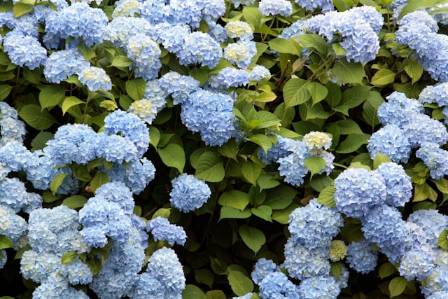
Hydrangeas, commonly known as hortensias, are popular flowering shrubs admired for their abundant blooms and decorative foliage. With proper planting, pruning, and maintenance, these plants can provide impressive displays year after year.
Understanding the Name Hydrangea
Hydrangea is the scientific name used worldwide in botany and horticulture to identify this genus of flowering shrubs.
Examples include Hydrangea macrophylla, Hydrangea paniculata, and Hydrangea quercifolia. This botanical name is frequently found in plant catalogs, gardening references, and scientific publications.
The word "hortensia" is the common French name most often used to describe Hydrangea macrophylla, the large-leaved species that is widely cultivated in gardens. In everyday language, gardeners often refer to pink, blue, or white hortensias.
The name Hydrangea originates from Greek words meaning "water" and "container," referring both to the appearance of the seed capsules and the plant’s preference for consistently moist soil. The genus was officially named by the botanist Carl Linnaeus in 1753, while the common name hortensia became popular later in France.
Many gardeners are surprised to learn that not all hydrangeas belong to the species Hydrangea macrophylla. The genus contains more than seventy species, including climbing forms, late-blooming varieties, and species with striking autumn foliage such as Hydrangea quercifolia, commonly known as oakleaf hydrangea.
Choosing the Best Location
Selecting a suitable planting site is essential for healthy growth and abundant flowering.
Hydrangeas enjoy sunlight, provided it is not excessively intense, particularly during summer afternoons.
Morning sunlight or gentle evening sun generally offers the ideal exposure.
These shrubs begin active growth early in spring, making them vulnerable to late frosts.
To reduce frost damage, consider planting them near a house wall or beneath taller trees that can provide protection during unexpected cold spells.
Among the different species, Hydrangea paniculata generally tolerates colder conditions better than Hydrangea macrophylla.
Planting Hydrangeas Successfully
Like most ornamental shrubs, hydrangeas are best planted during autumn.
Container-grown plants can also be installed in spring or summer, provided planting is avoided during freezing weather or periods of extreme heat.
Hydrangeas thrive in acidic, fertile soil enriched with organic matter.
A mixture consisting of equal parts ericaceous soil and quality garden soil or compost works particularly well.
If the soil is heavily alkaline or chalky, hydrangeas may struggle. In such cases, incorporating sand can improve drainage and soil texture.
Allow approximately 80 centimeters to 1 meter of spacing between plants to provide enough room for mature growth.
When planting, ensure that the crown, where the stem meets the roots, sits level with the soil surface.
Firm the soil gently around the root ball and water thoroughly after planting.
Regular watering is especially important throughout the first growing season while the plant becomes established.
Pruning and General Maintenance
Once established, hydrangeas require relatively little attention.
Regular pruning helps maintain plant shape and encourages vigorous flowering.
Maintenance pruning involves removing faded flower heads as they age.
More significant pruning is usually performed after winter, once the risk of severe frost has passed, typically around March.
This annual care promotes healthy growth and improved flowering performance in future seasons.
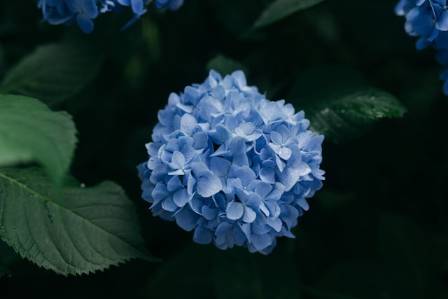
Keeping Blue Hydrangeas Blue
Many gardeners notice that blue hydrangeas gradually develop pink flowers after being planted.
This color change is usually related to soil chemistry.
As soil becomes more alkaline, blue-flowering varieties tend to shift toward pink shades.
Maintaining blue blooms requires increasing soil acidity.
Adding ericaceous soil during planting is one of the most effective methods.
Aluminum sulfate products, commonly available in garden centers, can also help restore or enhance blue flower coloration.
Applying mulches made from slate chippings or maritime pine bark may further increase soil acidity and support blue flowering.
Common Diseases and Pests
Hydrangeas are generally robust plants, but they can occasionally encounter pest and disease issues.
White cotton-like clusters on stems often indicate scale insects.
These pests can be managed using environmentally friendly treatment methods.
A white powdery coating appearing on the underside of leaves is commonly a sign of powdery mildew.
Organic control measures can help limit the spread of this fungal disease.
Excessively alkaline soil may also cause leaves to yellow and plants to appear weak or unhealthy.
When this occurs, enriching the soil with a fertilizer formulated specifically for hydrangeas and adding acidic organic matter such as ericaceous soil around the base can help restore plant vigor.
With proper care, suitable soil conditions, and regular maintenance, hydrangeas can reward gardeners with spectacular blooms and healthy growth for many years.
इसके बाद यह पढ़ें

समुद्र की चमकती मुस्कान
एमिली हार्टवेल
दुनिया के सबसे अच्छे गांव कौन से हैं?
समीर

6 Gorgeous Coastal Towns Worldwide
Mia Clark

नीला रेगिस्तानी आसमान
अवनी

A Unique Three-Dimensional Rabbit Sculpture Blurs Boundaries between Art and Fashion
Elizabeth
Top 10 Lotus Flowers - Most Beautiful Varieties Of Lotus Flowers
Helen