← मुख्य पन्ना3 मिनट का पाठ
आराम से पढ़ें
The Surprising Story of Coffee Cake: 8 Facts You Never Knew
While modern coffee cake typically brings to mind a cinnamon-streusel delight, this beloved treat has a rich history deeply connected to coffee's global journey. From European coffeehouses to American kitchens, discover the fascinating evolution of this classic dessert.
E
Eleanor Vance
रचनाकार
ओवन नोट
नीचे पूरी रचना पढ़ें।
संग्रह
बेकिंग पत्रिका
While modern coffee cake typically brings to mind a cinnamon-streusel delight, this beloved treat has a rich history deeply connected to coffee's global journey. From European coffeehouses to American kitchens, discover the fascinating evolution of this classic dessert.
Coffee Cake Began as a Social Ritual
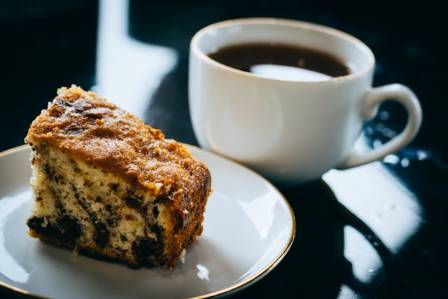
The tradition of pairing coffee with sweet treats originated in 17th-century European coffeehouses, which themselves were inspired by Ottoman establishments. Germans developed "Kaffeeklatsch" – social gatherings centered around coffee and conversation – while various cultures created baked goods specifically designed to complement coffee's bitterness. These early "coffee cakes" weren't defined by a specific recipe but by their purpose: to be enjoyed alongside coffee during social breaks.
Some Historical Versions Actually Contained Coffee
While European coffee cakes were designed to accompany coffee, early American versions sometimes incorporated brewed coffee directly into the batter. This 19th-century practice served multiple purposes: using leftover coffee, creating coffee-flavored desserts, and possibly providing an extra caffeine boost. Unlike alcohol-based flavors that evaporate during baking, caffeine remains intact, meaning these cakes delivered both flavor and energy.
American Coffee Cake Blends Multiple Traditions
The classic American coffee cake owes its identity primarily to German immigrants who brought their "kaffeekuchen" and "streuselkuchen" traditions. The characteristic crumb topping (streusel) and cinnamon swirls also show Scandinavian influence, particularly from Swedish cinnamon buns and Danish brunsviger. This cultural fusion created the distinct coffee cake we recognize today.
British Coffee Cake Takes a Different Approach
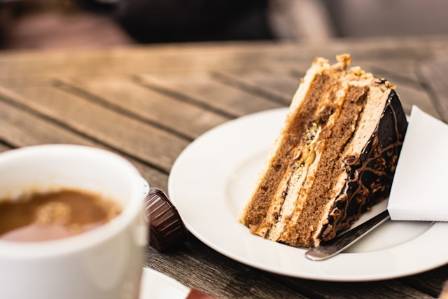
Across the Atlantic, British coffee cake developed quite differently. Typically consisting of coffee-flavored sponge layers with coffee buttercream frosting and walnut garnishes, this dessert more literally interprets its name. First appearing in 1930s advertisements, coffee and walnut cake has become a staple in British tea rooms, ironically often served during afternoon tea rather than coffee breaks.
Technological Advances Shaped Modern Recipes
Two key innovations transformed coffee cake preparation: baking powder and pasteurization. The mid-1800s introduction of commercial baking powder replaced time-consuming yeast rising, while early 20th-century pasteurization made sour cream widely available. This tangy dairy product proved perfect for creating the moist, rich texture that defines contemporary American coffee cakes.
World War II Inspired Creative Variations
Wartime rationing prompted the creation of "victory cakes" that substituted scarce ingredients like sugar and butter with creative alternatives. Coffee became a common ingredient in these resourceful recipes, particularly in chocolate cakes where it enhanced cocoa flavor. These cakes symbolized homefront resilience while maintaining the comfort of coffee-enhanced desserts.
The Bundt Pan Revolutionized Presentation
The 1950s introduction of the Bundt pan – originally designed for traditional German kugelhopf – perfectly suited dense coffee cake batters. The ring shape ensured even cooking and increased moisture retention, while creating the iconic appearance now associated with many coffee cakes. This innovation helped standardize the dessert's modern form.
Modern Cafe Culture Continues the Tradition
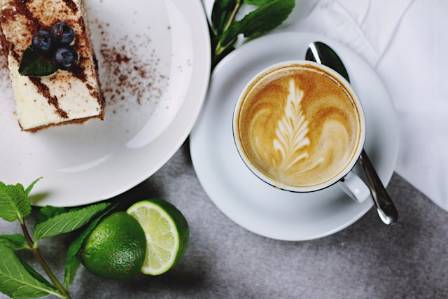
Today's coffee shops maintain the centuries-old tradition of pairing coffee with sweet pastries. Science suggests there's biological reasoning behind this enduring combination: caffeine both triggers sugar cravings and reduces perception of sweetness, creating a cycle that makes pastries like coffee cake particularly appealing alongside coffee. This explains why items like Starbucks' cinnamon coffee cake remain popular menu fixtures.
From Ottoman coffeehouses to contemporary cafes, the story of coffee cake reflects broader cultural and technological shifts while maintaining its core purpose: bringing people together over the perfect pairing of coffee and cake.