आराम से पढ़ें
Great Wall of China
The Great Wall of China is one of the country’s most iconic landmarks and a must-see for visitors on any trip to China. Often regarded as a world wonder, it reflects more than 2,000 years of history and extends over 3,000 miles across northern China. Its vast scale and historical importance make it one of the most remarkable ancient engineering achievements on Earth.
Grace Wilson
रचनाकार
ओवन नोट
नीचे पूरी रचना पढ़ें।
संग्रह
बेकिंग पत्रिका
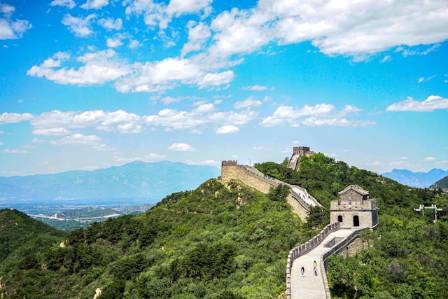
The Great Wall of China is one of the country’s most iconic landmarks and a must-see for visitors on any trip to China. Often regarded as a world wonder, it reflects more than 2,000 years of history and extends over 3,000 miles across northern China. Its vast scale and historical importance make it one of the most remarkable ancient engineering achievements on Earth.
Best Sections to Visit
Beijing is the most common starting point for exploring the Great Wall, as several well-known sections lie within its surrounding areas, including Badaling, Mutianyu, Jinshanling, Juyongguan, Gubeikou, and Jiankou. Most of these were constructed during the Ming Dynasty (14th–17th centuries) and remain relatively well preserved.
Badaling and Juyongguan
Badaling is the most famous and widely visited section of the Great Wall, attracting large tour groups and often becoming very crowded. Nearby Juyongguan, one of the key mountain passes of the Wall, is also popular but similarly busy, especially during peak travel seasons.
Mutianyu Section
Mutianyu is located not far from Badaling but generally has fewer tourists while still offering excellent scenery of the Wall and surrounding mountains. It is also known for its toboggan slide, allowing visitors to descend from the Wall back down the hillside in a more exciting way.
Jinshanling Section
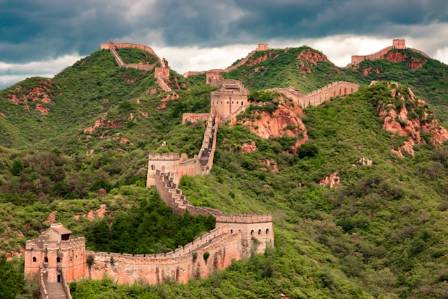
Jinshanling lies about 150 km northeast of Beijing and requires a longer journey, usually around two and a half hours by car. Despite the distance, it is considered one of the most scenic parts of the Great Wall. Many travelers choose it for a full-day visit due to its balance of beauty and relatively moderate crowds.
Gubeikou and Jiankou
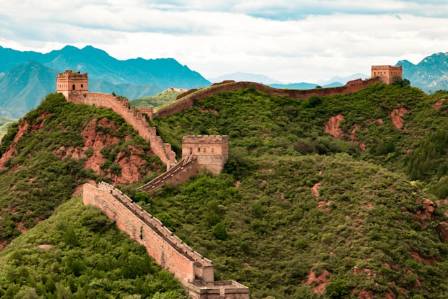
Gubeikou and Jiankou are less restored sections of the Wall and are ideal for those seeking a more rugged hiking experience. These areas preserve a wilder, more original feel of the structure. Jiankou in particular is very steep and challenging, making it suitable only for experienced hikers.
Other Notable Sections
Other well-known areas such as Huanghuacheng, Simatai, and Shanhaiguan also offer unique views of the Great Wall. However, these are typically recommended for repeat visitors or those planning longer, more in-depth explorations of the region.
Hiking and Camping on the Great Wall
Because the Great Wall was originally built for defense in mountainous terrain, most sections involve steep climbs and uneven stone steps. Even restored areas can be physically demanding. When you reach the end of restored paths, you can often see the wild, unrestored sections beyond.
Mutianyu and Jinshanling are among the best options for moderate hiking experiences. More adventurous hikers may choose routes like Gubeikou to Jinshanling or Jinshanling East, which combine restored and wild sections. However, these trails can be dangerous due to loose stones and steep drops, so caution is essential.
Camping is generally prohibited on most restored sections. However, in certain controlled areas such as Gubeikou, it is sometimes possible to stay overnight in a watchtower, offering a rare chance to experience sunrise and sunset over the Wall.
Best Time to Visit
The best seasons to visit the Great Wall near Beijing are spring (April to June) and autumn (September to early November). Spring brings mild weather and blooming vegetation, while autumn offers clear skies and colorful foliage across the mountains.
Winter (December to February) is cold and windy but significantly less crowded, making it appealing for those who prefer quiet visits. Summer (July and August) tends to be hot and humid, which can make hiking more tiring.
It is best to avoid visiting major sections like Badaling, Juyongguan, and Mutianyu during major holidays such as National Day in early October and the Spring Festival period, as crowds become extremely heavy. August is also busy due to school holidays, especially for family travelers.
इसके बाद यह पढ़ें
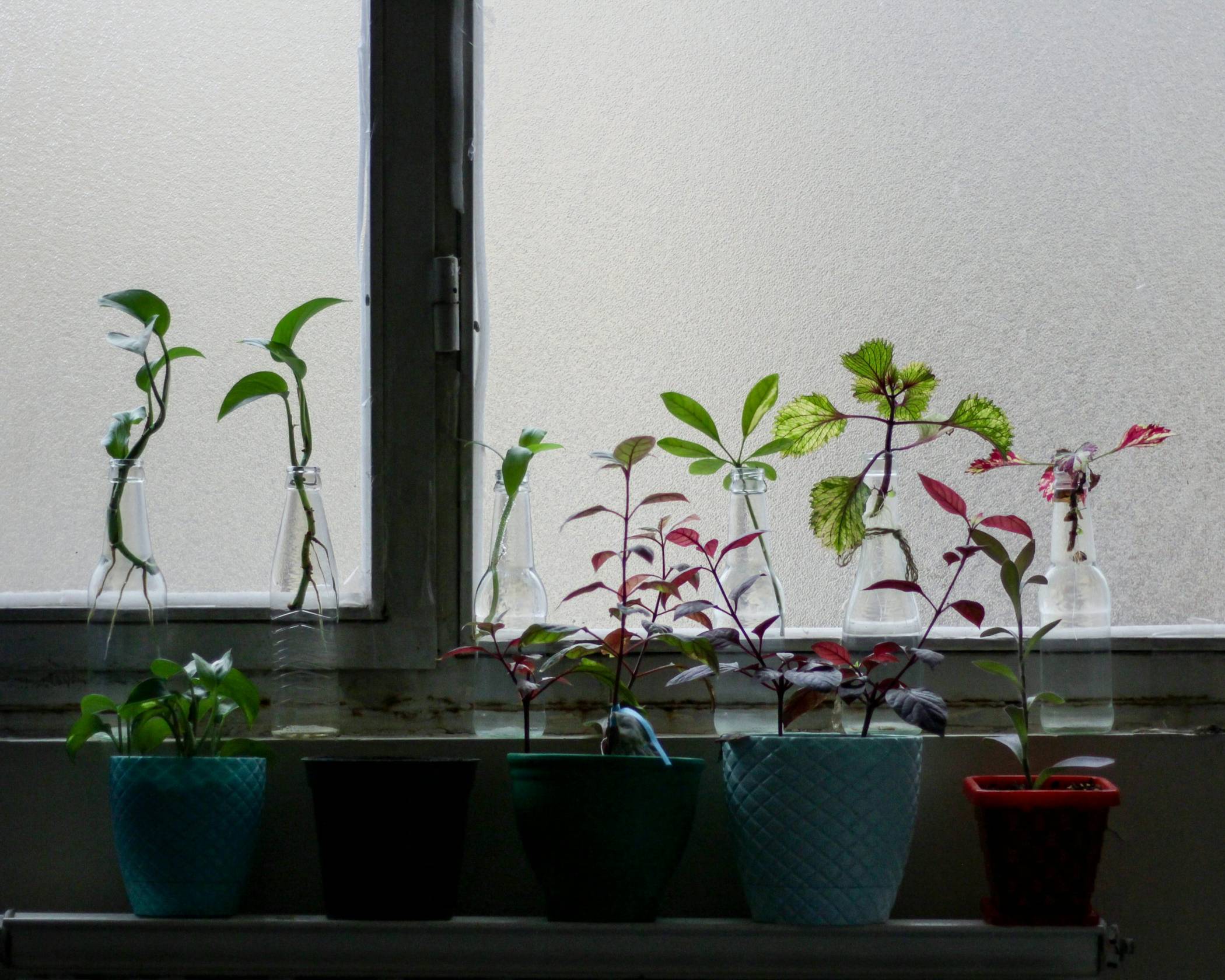
हर मौसम के लिए एक शौक: इनडोर पौधों के 7 विज्ञान-समर्थित लाभ
रणवीर

The Value of Purposeful Design in Children’s Bedrooms
Ella Josephine Ashford

The Most Popular Origami to Make
Thaddeus Langley
Xinjiang Melons: A Sweet Saga of Free Trade, Agricultural Cooperation, and Global Connection
Ethan Taylor

3 Most Beautiful Cars Ever Designed That Showcase Art, Luxury, and Performance 的印地语翻译是: 14 सबसे सुंदर कारें जो कभी डिज़ाइन की गईं, जो कला, लग्जरी और प्रदर्शन को प्रदर्शित करती हैं।
रणवीर
कौन से लोकप्रिय फ़ूड ट्रक मॉडल सबसे अच्छे हैं?
ऋषि