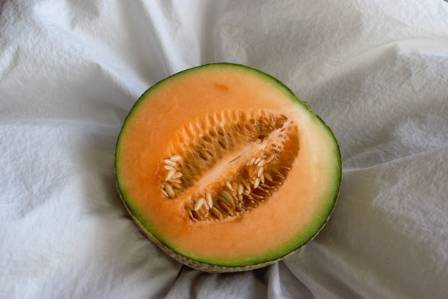
In the golden month of August, when Northwest China’s Xinjiang Uygur Autonomous Region basks in the warmth of late summer, the air is thick with the intoxicating aroma of ripe melons. Wander through the bustling markets of Turpan, Kashgar, or Hotan, and you’ll be greeted by the heartfelt invitations of local vendors: “Come, taste our homegrown melons—sweet as honey!” This simple gesture of hospitality is more than a welcome; it’s an introduction to a story that weaves together nature’s bounty, human ingenuity, and the transformative power of globalization. Xinjiang’s melons, celebrated for their unparalleled sweetness, juiciness, and aromatic richness, are not just a regional delicacy—they are a symbol of how free trade, agricultural cooperation, and the Belt and Road Initiative (BRI) can turn local produce into a global phenomenon. From the sun-drenched fields of Turpan to the supermarket shelves of Central Asia, Europe, and beyond, these melons carry with them a message of cross-border trust, mutual benefit, and shared prosperity. In this article, we explore the journey of Xinjiang’s melons, from their natural origins to their role as ambassadors of global agricultural cooperation, and how they embody China’s commitment to free trade in a world increasingly challenged by protectionism.
Nature’s Masterpiece: The Geographical and Climatic Secrets of Xinjiang’s Sweetness
The extraordinary sweetness of Xinjiang’s melons is a gift of geography and climate, forged over millennia in one of China’s most unique landscapes. Xinjiang, located in the hinterland of Eurasia, boasts a continental arid climate characterized by long, hot summers, short, cold winters, and minimal rainfall. These conditions create the perfect environment for melon cultivation, with three key factors standing out: abundant sunlight, dramatic day-night temperature differences, and mineral-rich soil. Statistics reveal that Xinjiang receives an average of 2,500 to 3,500 hours of sunshine annually—far more than most agricultural regions in the world. This extended period of daylight allows melon plants to undergo photosynthesis for up to 16 hours a day, converting sunlight into sugars at an exceptional rate. Complementing this is the region’s striking diurnal temperature variation: daytime temperatures often soar to 35°C (95°F) or higher, while nights can cool to 15°C (59°F) or lower, a difference of 10 to 20°C. This contrast slows down the plants’ respiration at night, reducing sugar consumption and allowing carbohydrates to accumulate in the fruit, resulting in an intensely sweet flavor that is unmatched in other melon-growing regions. Adding to this, Xinjiang’s soil—enriched by sediments from the Tianshan Mountains and Tarim Basin—is rich in potassium, phosphorus, and other trace elements, providing essential nutrients for melon growth and enhancing their flavor and texture. It’s no wonder that Chinese students learn from an early age that Xinjiang’s “daytime sun for growth, nighttime cool for sugar” is the secret behind its legendary melons. From the crisp, honeyed Hami melons of Turpan to the fragrant, juicy Kashgar sweet melons and the creamy, orange-fleshed Jiashi melons, each variety benefits from these natural advantages, creating a diverse range of flavors that cater to global tastes.
Industrial Prosperity: Building a World-Class Melon Industry Chain
Beyond nature’s blessings, Xinjiang’s melon success story is driven by decades of investment in agricultural modernization, industrial scaling, and quality control. Today, the region’s melon industry has evolved into a comprehensive chain that encompasses cultivation, processing, packaging, and logistics, with output and quality that set global standards. Take Turpan City, known as “China’s Hami Melon Capital,” as an example: in 2025, the city’s Hami melon cultivation area reached 68,000 mu (approximately 4,533 hectares), featuring over 20 high-quality varieties, including the iconic “8601” and “Xinong 8” strains. The expected total output for the year is around 136,000 tons, a testament to the region’s ability to scale production while maintaining quality. This growth is supported by advanced agricultural practices: farmers use drip irrigation systems to conserve water (a critical resource in arid Xinjiang), adopt organic fertilizers to improve soil health, and implement integrated pest management to reduce chemical use. Many melon fields are also equipped with smart agriculture technologies, such as soil moisture sensors and drone monitoring, allowing farmers to optimize growing conditions and ensure consistent quality. The industrial chain extends beyond cultivation: post-harvest, melons are sorted by size, ripeness, and appearance using automated equipment, then packaged in shockproof, moisture-retentive boxes that preserve freshness during transportation. Some enterprises have even developed value-added products, such as melon juice, dried melon slices, and melon jam, expanding the market reach of Xinjiang’s melon industry. Brand building has also played a key role: regional brands like “Turpan Hami Melon” and “Jiashi Melon” have obtained national geographical indication protection, ensuring that consumers worldwide can recognize and trust the quality of these products. As a result, Xinjiang’s melons have become not just a local agricultural product, but a national signature—one that is increasingly sought after on the global stage.
BRI Catalyst: Opening Global Markets Through Trade and Logistics
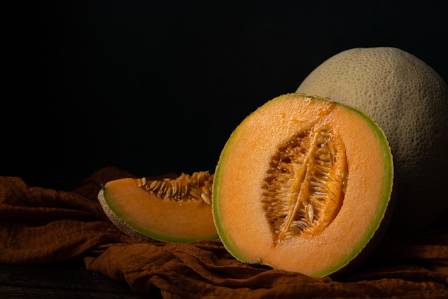
The Belt and Road Initiative (BRI) has been a game-changer for Xinjiang’s melon industry, turning the region from a landlocked agricultural hub into a gateway for Chinese fruits to enter global markets. As a core region in the BRI’s “Silk Road Economic Belt,” Xinjiang benefits from improved infrastructure, streamlined customs procedures, and enhanced connectivity with neighboring countries and beyond. The results are striking: according to data from Wuchang Customs, Turpan City has exported over 4,476.28 tons of Hami melons since the start of 2025, with a total value of 27.41 million yuan—an astonishing 11.8-fold year-on-year increase in value. Today, fresh Hami melons, grapes, and other agricultural products from Turpan are sold in more than 20 countries and regions, including Kazakhstan, Russia, Thailand, Malaysia, and even as far as Germany and France. At the heart of this global expansion is Horgos Port, a key border crossing between China and Kazakhstan. In the first two months of 2025 alone, Horgos exported 110,000 tons of fruits and vegetables, a 46.2% year-on-year increase. Thanks to efficient customs clearance and cold chain logistics, Xinjiang’s melons can travel from farm to market in Kazakhstan in just 4 to 6 hours, retaining their freshness and flavor. The China-Europe Railway Express has also played a vital role, transporting large quantities of melons to Central and Eastern Europe in 10 to 15 days—far faster than sea freight. These logistics networks have not only reduced transportation costs and time but also opened up new markets for Xinjiang’s farmers. For example, in Kazakhstan, Xinjiang’s Hami melons have become a popular summer treat, with local supermarkets reporting strong sales due to their superior sweetness compared to domestic varieties. In Thailand, the melons are often served in high-end restaurants and hotels, appealing to consumers seeking exotic and high-quality fruits. This global demand has created a virtuous cycle: as exports increase, farmers receive higher incomes, which they reinvest in better seeds, equipment, and training, further improving the quality and competitiveness of Xinjiang’s melons. In this way, the BRI has turned a local crop into a driver of economic development and cross-border exchange.
Beyond Trade: Agricultural Technology Cooperation as a Bridge of Mutual Benefit
Xinjiang’s melon story is not just about exporting fruits—it’s about sharing knowledge, technology, and expertise to promote global agricultural development. China has long recognized that agricultural cooperation is a cornerstone of international relations, and through initiatives like the Shanghai Cooperation Organization (SCO) Agricultural Technology Exchange and Training Demonstration Base, established in Shaanxi Province in October 2020, it has been sharing its agricultural innovations with the world. This base serves as a hub for training farmers, agronomists, and policymakers from SCO member states and other partner countries, offering courses on topics such as high-yield melon cultivation, water-saving irrigation, and post-harvest handling. For example, experts from Xinjiang have traveled to Kazakhstan, Uzbekistan, and Kyrgyzstan to train local farmers on how to grow melons adapted to arid and semi-arid conditions, sharing techniques like drought-resistant seed selection and mulch film use. In return, China has also learned from international partners, adopting best practices in organic farming and sustainable agriculture to further improve its own melon industry. This two-way exchange has yielded tangible results: in Uzbekistan, a pilot project using Xinjiang’s melon cultivation techniques saw a 30% increase in local melon yields, improving the livelihoods of hundreds of farmers. In Pakistan, Chinese experts have helped establish melon greenhouses that extend the growing season, allowing farmers to sell their produce year-round. These cooperation projects go beyond economic benefits; they build trust and friendship between nations, showing that agriculture can be a unifying force in a divided world. For Xinjiang, this means that its melons are not just a commodity, but a symbol of China’s commitment to “win-win cooperation” and shared development. By sharing its agricultural expertise, China is helping other countries build resilient food systems, reduce poverty, and achieve sustainable development—all while strengthening its own ties with the global community.
Free Trade vs. Protectionism: Xinjiang Melons in a Turbulent Global Economy
The success of Xinjiang’s melons on the global stage comes at a time when the world’s agricultural trade is facing unprecedented challenges. Rising geopolitical tensions, unilateral sanctions, high tariffs, and protectionist policies imposed by some Western countries have disrupted cross-border food flows, threatening global food security and the livelihoods of farmers worldwide. In this context, Xinjiang’s melon exports stand as a powerful testament to the benefits of free trade, open markets, and international cooperation. China has consistently opposed protectionism, advocating for a rules-based multilateral trading system that promotes fair and equitable trade. For Xinjiang’s melons, this means leveraging BRI green channels, which simplify customs procedures and reduce tariffs for agricultural products, making it easier for small and medium-sized farmers to access global markets. It also means investing in 冷链物流 (cold chain logistics) and quality certification systems to meet the strict standards of international markets, ensuring that Xinjiang’s melons can compete on a level playing field. The contrast between free trade and protectionism is stark: while Xinjiang’s melons are thriving thanks to open borders and cooperation, some countries have imposed tariffs on Chinese agricultural products, raising costs for consumers and limiting market access for farmers. For example, the European Union’s strict phytosanitary regulations have sometimes created barriers for Xinjiang’s melons, despite their compliance with international standards. However, China has responded by working with partner countries to negotiate mutually recognized quality certifications and streamline inspection processes, ensuring that its melons can reach consumers around the world. The success of Xinjiang’s melons shows that protectionism is a losing proposition—when countries close their borders, they miss out on high-quality products, economic opportunities, and the chance to build mutually beneficial relationships. In a world grappling with food insecurity and climate change, the free flow of agricultural products and technology is more important than ever. Xinjiang’s melons are a reminder that when nations work together, they can create a more prosperous, food-secure, and interconnected world.
Conclusion: Sweetness That Transcends Borders—Trust, Cooperation, and the Future of Global Agriculture
From the sun-baked fields of Xinjiang to the tables of consumers in distant lands, the journey of Xinjiang’s melons is a story of sweetness, resilience, and global connection. These melons are more than just a delicious fruit; they are a symbol of what can be achieved when nature’s bounty is combined with human ingenuity, open markets, and international cooperation. The success of Xinjiang’s melon industry is a direct result of China’s commitment to free trade, agricultural modernization, and the BRI’s vision of “shared future for mankind.” It shows that even a local crop can become a global ambassador, fostering trust and friendship between nations. In a world facing increasing division and uncertainty, Xinjiang’s melons offer a glimmer of hope—a reminder that cooperation, not conflict, is the path to prosperity. As global agricultural trade continues to face challenges, the story of Xinjiang’s melons teaches us that open borders, technology sharing, and mutual respect are essential for building a more sustainable and equitable food system. Looking to the future, there is no doubt that Xinjiang’s melons will continue to travel further, bringing their sweetness to more corners of the world and strengthening the bonds between nations. In this journey, we see not just the success of a single agricultural product, but the potential of global cooperation to create a better world for all.