आराम से पढ़ें
How to grow kalanchoe or flaming Katy in your home
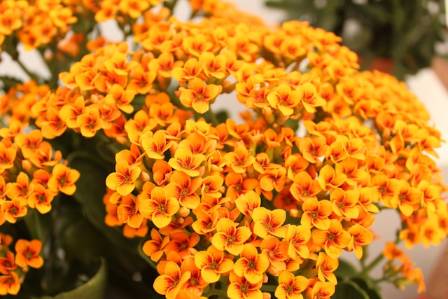
Kalanchoes are attractive indoor plants that are both decorative and simple to maintain. One of the most popular varieties is Kalanchoe blossfeldiana, also known as Flaming Katy. This cheerful succulent produces clusters of bright flowers in shades of red, orange, yellow, pink, and white.
Sawyer Ellis
रचनाकार
ओवन नोट
नीचे पूरी रचना पढ़ें।
संग्रह
बेकिंग पत्रिका
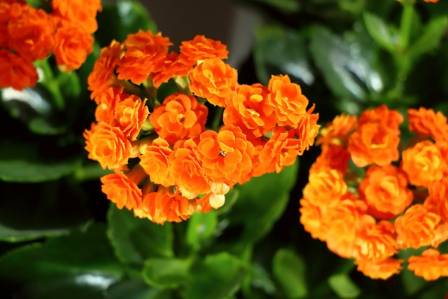
Kalanchoes are attractive indoor plants that are both decorative and simple to maintain. One of the most popular varieties is Kalanchoe blossfeldiana, also known as Flaming Katy. This cheerful succulent produces clusters of bright flowers in shades of red, orange, yellow, pink, and white.
Because of their colourful blooms and easy-care nature, kalanchoes are frequently purchased as houseplants or given as gifts throughout the year. If you have received one or want to add it to your indoor plant collection, following the right care routine will help it stay healthy and bloom beautifully.
Enjoying the Bright Flowers
When purchased, kalanchoes are usually already covered with flowers. Their blooms can remain attractive for approximately eight weeks. Once the flowers fade, many people throw the plant away, but kalanchoes can bloom again with proper care.
As succulents, kalanchoes have thick, water-storing leaves that are deep green with slightly wavy edges. Because of their ability to retain moisture, they should not be watered too frequently. Allow the compost or soil to dry slightly before watering again.
During spring and summer, apply a general-purpose indoor plant fertilizer every one to two weeks to support healthy growth and encourage stronger plants.
Keep kalanchoes away from children and pets because they may be harmful if consumed.
Choosing the Right Location
Place Flaming Katy in a bright area, such as a sunny windowsill, while protecting it from intense direct sunlight that may scorch the leaves.
The name Kalanchoe blossfeldiana comes from Robert Blossfeld, the plant explorer who introduced the species after discovering it in Madagascar. Although kalanchoes naturally grow in warm regions, they adapt well to normal indoor temperatures and can thrive in homes.
Maintaining Healthy Growth
Kalanchoes grow quickly and may become tall and stretched if they are not maintained. After flowering finishes, pruning the plant helps keep it compact, bushy, and attractive.
When the plant becomes too large for its container, move it into a new pot that is slightly bigger than the previous one. Use peat-free houseplant compost or a cactus and succulent mix.
Cactus compost is especially suitable because it allows excess water to drain away easily. Adding gravel, grit, or small stones at the bottom of the pot can further improve drainage and reduce the chance of root problems.
Encouraging Kalanchoes to Bloom Again
Getting a Flaming Katy to flower for a second time requires some extra attention, but the results are worth the effort. To produce new flower buds, the plant needs a period with shorter daylight hours and longer darkness.
For about one month, provide the plant with only 8 to 9 hours of light each day. During the remaining hours, place it somewhere completely dark, such as a cupboard, so it can begin forming buds.
Water only occasionally during this period. After around two to three months, new flower buds should appear. Once buds develop, return the plant to its usual care routine with normal watering and feeding.
Exploring Different Kalanchoe Varieties
Although Kalanchoe blossfeldiana is the best-known houseplant variety, there are many other interesting types worth growing.
Kalanchoe thyrsiflora (Paddle Plant)
This variety is mainly grown for its unique foliage rather than its flowers. It features thick, rounded grey-green leaves with reddish edges, creating an attractive contrast in indoor plant displays.
Kalanchoe daigremontiana (Mexican Hat Plant)
This unusual kalanchoe produces large, fleshy leaves lined with many small baby plants along the edges. These young plants can easily be removed and grown separately, making it simple to create new plants and share them with friends or family.
This variety prefers a bright windowsill, occasional watering when the soil surface becomes dry, and monthly feeding during the summer growing season.
With their colourful flowers, interesting foliage, and low-maintenance requirements, kalanchoes are excellent choices for both beginner plant owners and experienced indoor gardeners.
इसके बाद यह पढ़ें

Best Supercars & Exotics of 2026
Lucas Rodriguez

Willow Tree Identification: 6 Species
Ren Ashford

The Surprising Story of Coffee Cake: 8 Facts You Never Knew
Eleanor Vance

नीले पैरों वाले बूबी के पैर नीले क्यों होते हैं? और नीले पैरों वाले बूबी के बारे में 8 अन्य तथ्य
अपर्णा

Top Billiards Tournaments Around the Globe
Jenny

Vintage Style DIY: Crafting Elegant Glass Ornaments
Edward Langford